USAF WC-130J Hercules
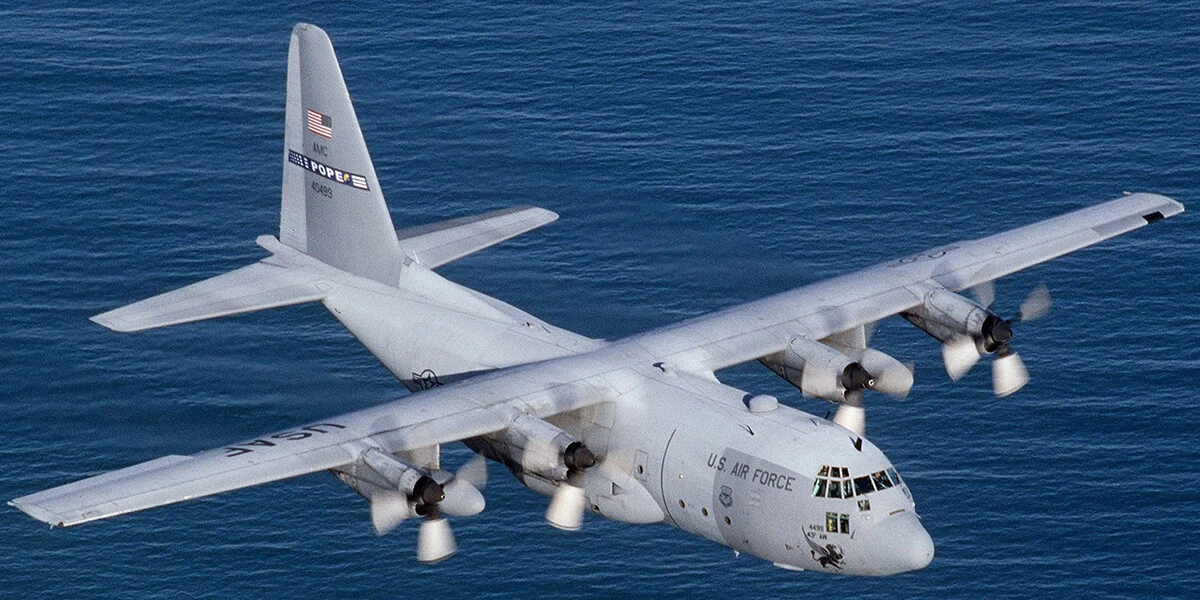
The Lockheed WC-130J Hercules, used by the United States Air Force (USAF), is a key asset in hurricane reconnaissance. The WC-130J is an advanced variant of the C-130J Super Hercules, equipped with specialized meteorological instruments and weather radar systems designed for operating in extreme conditions typical of hurricanes. The USAF operates 10 of these aircraft: AF300 through AF309.
Specifications
- Wingspan: 132 feet
- Length: 97 feet
- Maximum Range: Approximately 2,000 nautical miles
- Endurance: Roughly 8 hours
- Engines: Four Rolls-Royce AE 2100D3 turboprop engines, each producing around 4,700 horsepower
Mission and Capabilities
The WC-130J’s primary mission is to collect real-time meteorological data from within hurricanes. The aircraft is fitted with a range of instruments, including dropsondes, which are released from the aircraft to collect data as they descend through the storm. The WC-130J also uses onboard radar systems to map the storm’s structure, including rainbands and the eye.
The data collected by the WC-130J is critical for refining weather forecasts, improving predictions of storm paths and intensities. This information is essential for issuing timely warnings and evacuation orders, thereby enhancing public safety and preparedness.
Historical Context
The USAF has a long history of hurricane reconnaissance dating back to the 1940s. The WC-130J has evolved from earlier models such as the WB-50 Superfortress and WB-57 Canberra, incorporating advanced technologies to meet modern meteorological needs.
Operational Aspects
The WC-130J missions are carried out by the 53rd Weather Reconnaissance Squadron, also known as the "Hurricane Hunters," based at Keesler Air Force Base in Mississippi. The squadron’s experienced pilots, meteorologists, and support personnel conduct flights during hurricane season, from June to November, often performing multiple sorties per day.